
"Should I get Invisalign or braces?" is one of the most common questions we hear from teens and adults alike. The honest answer is: it depends on your teeth, your habits, and what you value most. Let's compare them fairly, without sales pressure.
How each one works
Braces use small brackets bonded to each tooth, connected by a wire that your orthodontic provider tightens over time. The steady pressure moves teeth into place.
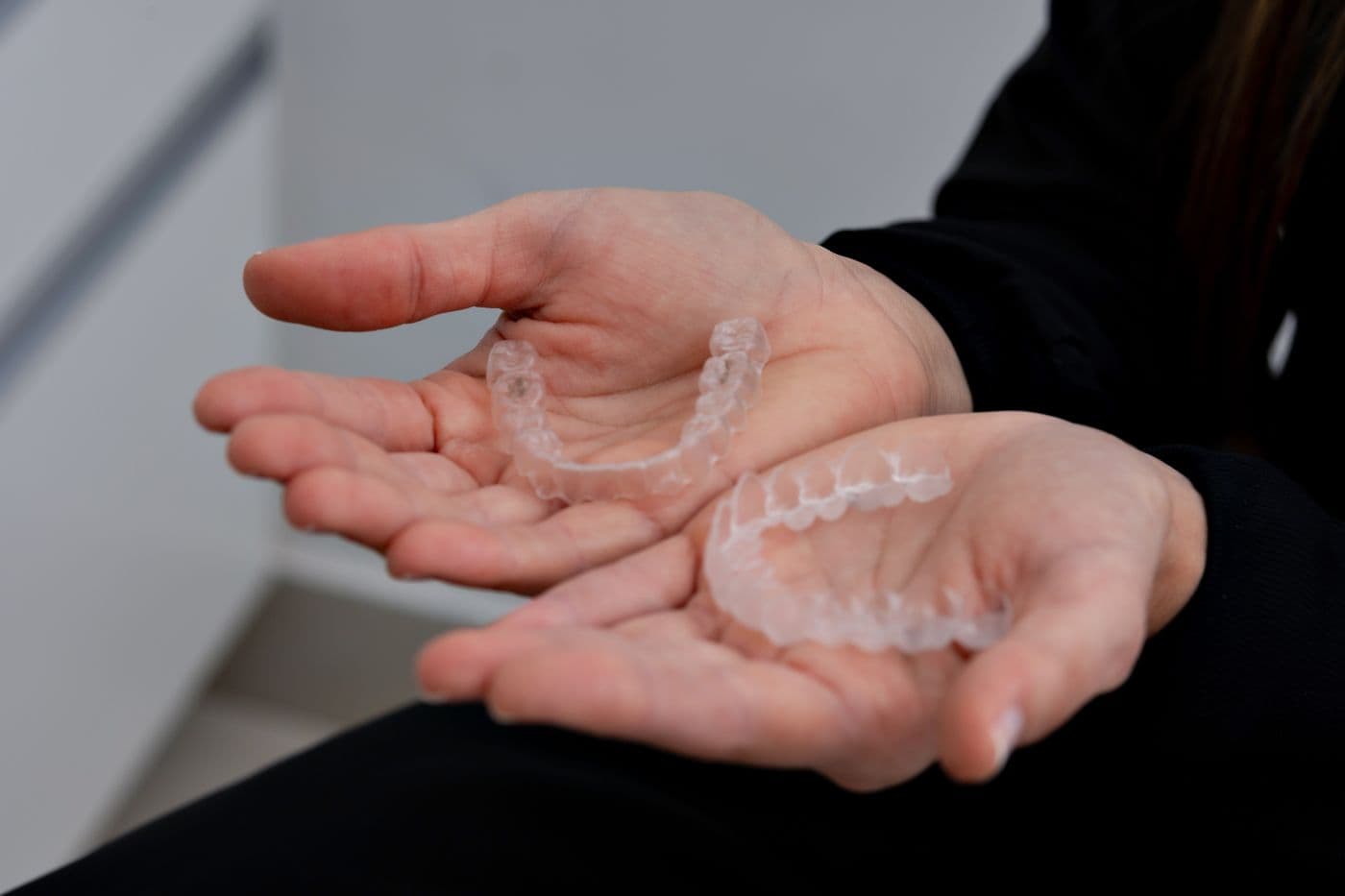
Invisalign uses a series of clear, removable aligners — custom-printed trays you swap roughly every one to two weeks. Each tray nudges your teeth a little closer to the final position.
Both apply the same basic principle: gentle, consistent force. The difference is how that force is delivered, and how it fits into your day.
Appearance and comfort
This is where Invisalign shines. The aligners are nearly invisible, which is why so many adults choose them for work and social life. There are no metal brackets to irritate your cheeks, and no "tightening" appointments that leave you sore for days.
Braces are more visible, though modern ceramic brackets are far subtler than the metal mouthful you might remember. Some patients actually enjoy choosing coloured bands.
What each option does best
Here is the part the marketing often skips:
- Invisalign excels at mild to moderate crowding, spacing, and relapse after previous orthodontics.
- Braces still have an edge with complex bite problems, severe rotations, and certain jaw alignment cases.
A good provider will tell you honestly if your case is better suited to one or the other. If someone promises that aligners can fix anything, be a little skeptical.
The discipline factor
Invisalign's biggest strength is also its biggest catch: you can take it out. Aligners need to stay in for 20 to 22 hours a day to work. That is wonderful for eating popcorn and brushing normally — but it only works if you actually wear them.
Braces remove that decision entirely. They are working 24/7 whether you think about them or not, which makes them a dependable choice for younger teens still building routines.
Cost and time
Costs overlap more than people expect. Both typically land in a similar range depending on complexity, and many plans and insurance benefits treat them comparably. Treatment time is also similar for most cases — often 6 to 18 months.
We always provide a clear written estimate before you commit, including what your insurance is likely to cover and any financing options.
Cleaning and daily life
| Daily habit | Invisalign | Braces |
|---|---|---|
| Brushing & flossing | Remove trays, clean normally | Requires extra care around brackets |
| Eating | No food restrictions | Avoid hard/sticky foods |
| Maintenance | Rinse trays daily | Watch for loose brackets |
So which should you choose?
If you want discretion, easy cleaning, and you trust yourself to wear them faithfully, Invisalign is a fantastic fit. If you have a complex bite, or you'd simply rather not think about compliance, braces remain an excellent, time-tested choice.
The best way to decide is a consultation where we scan your teeth and map out what each option would actually involve for your smile — no guesswork, no pressure.