If the thought of bringing your little one to the dentist makes you a bit nervous, you are not alone — and you're already doing the right thing by planning ahead. A positive first visit shapes how your child feels about dental care for years, so it's worth getting right.
When should the first visit happen?
The guidance is simpler than most parents expect: by their first birthday, or within six months of the first tooth appearing — whichever comes first.
That often feels early, but the goal isn't a full cleaning on day one. It's about catching problems early, getting personalized advice, and — just as importantly — helping your child see the dental office as a friendly, familiar place.
Why so early?
Tooth decay is one of the most common childhood conditions, and it can start the moment teeth arrive. Early visits let us:
- Check that teeth and jaw are developing well
- Spot early signs of decay before they cause pain
- Coach you on brushing, fluoride, and feeding habits
- Build comfort and trust gradually
A child who grows up thinking the dentist is normal and friendly almost never develops the anxiety that sends so many adults avoiding care.
How to prepare your child
A little preparation goes a long way:
- Keep your own language positive. Avoid words like "hurt," "needle," or "scary" — even to reassure. Children pick up on the worry behind them.
- Play pretend at home. Take turns counting each other's teeth and "checking" them in a mirror.
- Read a picture book about visiting the dentist.
- Pick a good time of day — well-rested and recently fed beats tired and hungry.
What actually happens at the visit
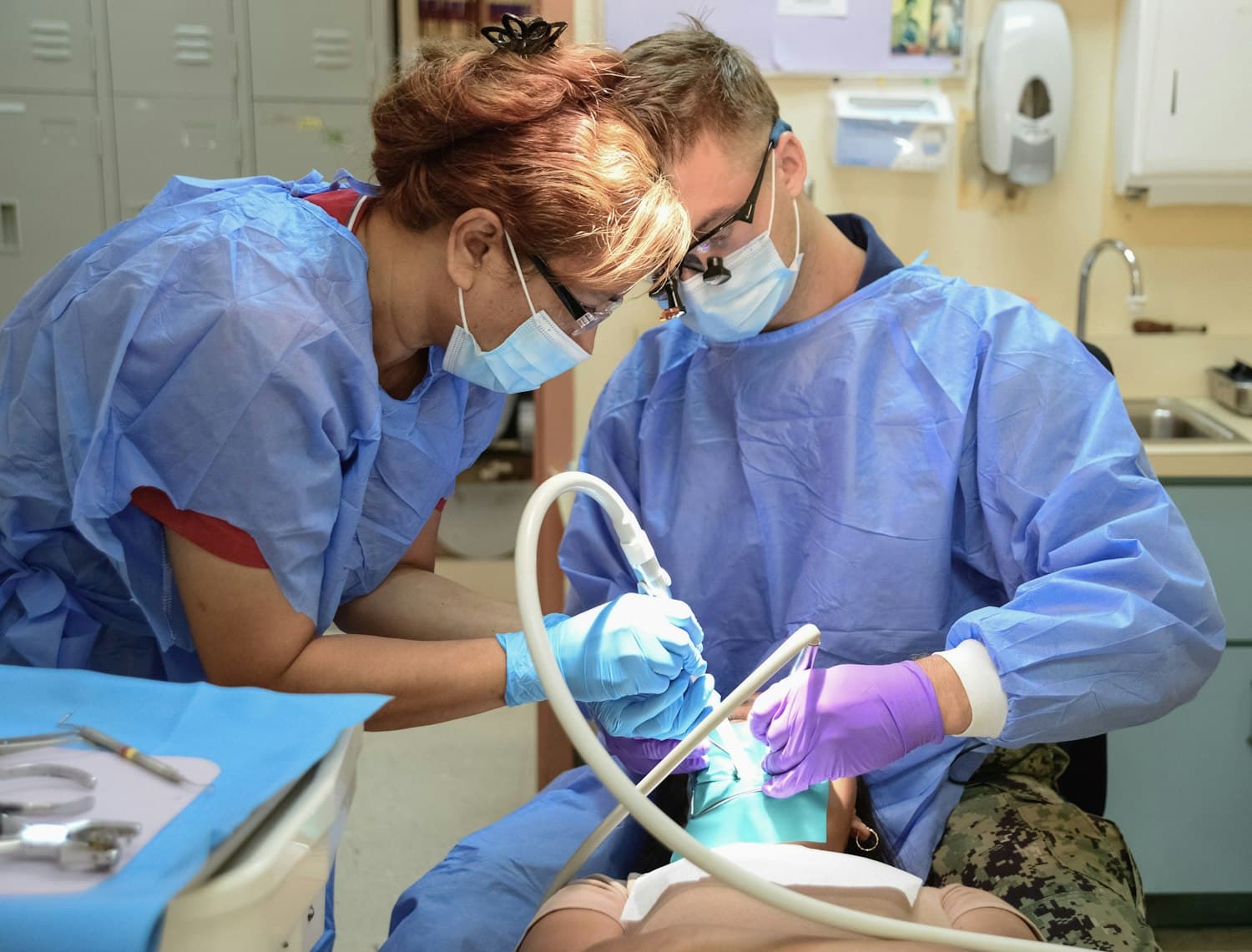
First visits are deliberately short and gentle. We'll usually:
- Count and examine your child's teeth and gums
- Gently clean and, if appropriate, apply fluoride
- Talk through brushing technique together
- Answer all your questions about teething, thumb-sucking, and diet
Often the child sits on the parent's lap for the youngest visits. There's no pressure to get through a checklist — if your little one needs to go slow, we go slow.
Building habits that last
The dentist sees your child twice a year; you're the one in charge the other 363 days. A few habits make the biggest difference:
- Brush twice daily with a smear of fluoride toothpaste (a rice-grain amount for toddlers, a pea-sized amount from age three)
- Avoid putting your child to bed with a bottle of milk or juice
- Offer water rather than juice between meals
- Make brushing a fun, shared routine rather than a battle
If your child is anxious
Some children take longer to warm up, and that's completely normal. We never force a frightened child through a procedure — that only cements the fear. Instead we build trust over several short, friendly visits. The investment pays off in a kid who walks in smiling.
A great first visit isn't about perfect cooperation. It's about your child leaving with the feeling that the dentist is a safe, even fun, place to be. Get that right, and you've given them a gift that lasts a lifetime.