
Whitening is one of the most requested treatments we see — and also one of the most misunderstood. Patients arrive with screenshots of viral hacks and well-meaning advice from a cousin who "swears by it." Let's walk through the most common myths calmly, so you can brighten your smile without quietly harming it.
Myth 1: Charcoal scrubs your teeth white
Activated charcoal looks dramatic in a video, but it works by abrasion — it scrubs the surface rather than lifting stain from within the tooth. Over time that grit wears down enamel, the protective outer layer that does not grow back. Thinner enamel exposes the yellower dentin underneath, so charcoal can actually make teeth look darker in the long run.
Myth 2: Lemon juice or baking soda is a "natural" whitener
"Natural" does not mean gentle. Lemon juice is highly acidic and softens enamel on contact. Baking soda is mildly abrasive. Used occasionally, baking soda toothpaste is fine — but a daily lemon rinse is one of the fastest ways to erode a healthy smile.
Safer everyday habits include:
- Rinsing with water after coffee, tea, red wine, or curry
- Using a straw for iced coffee and dark beverages
- Waiting 30 minutes after acidic foods before brushing
Myth 3: All whitening products are basically the same
They are not. The active ingredient that genuinely changes tooth colour is a peroxide gel that breaks down stain molecules. The differences that matter are:
- Concentration — professional gels are stronger and faster
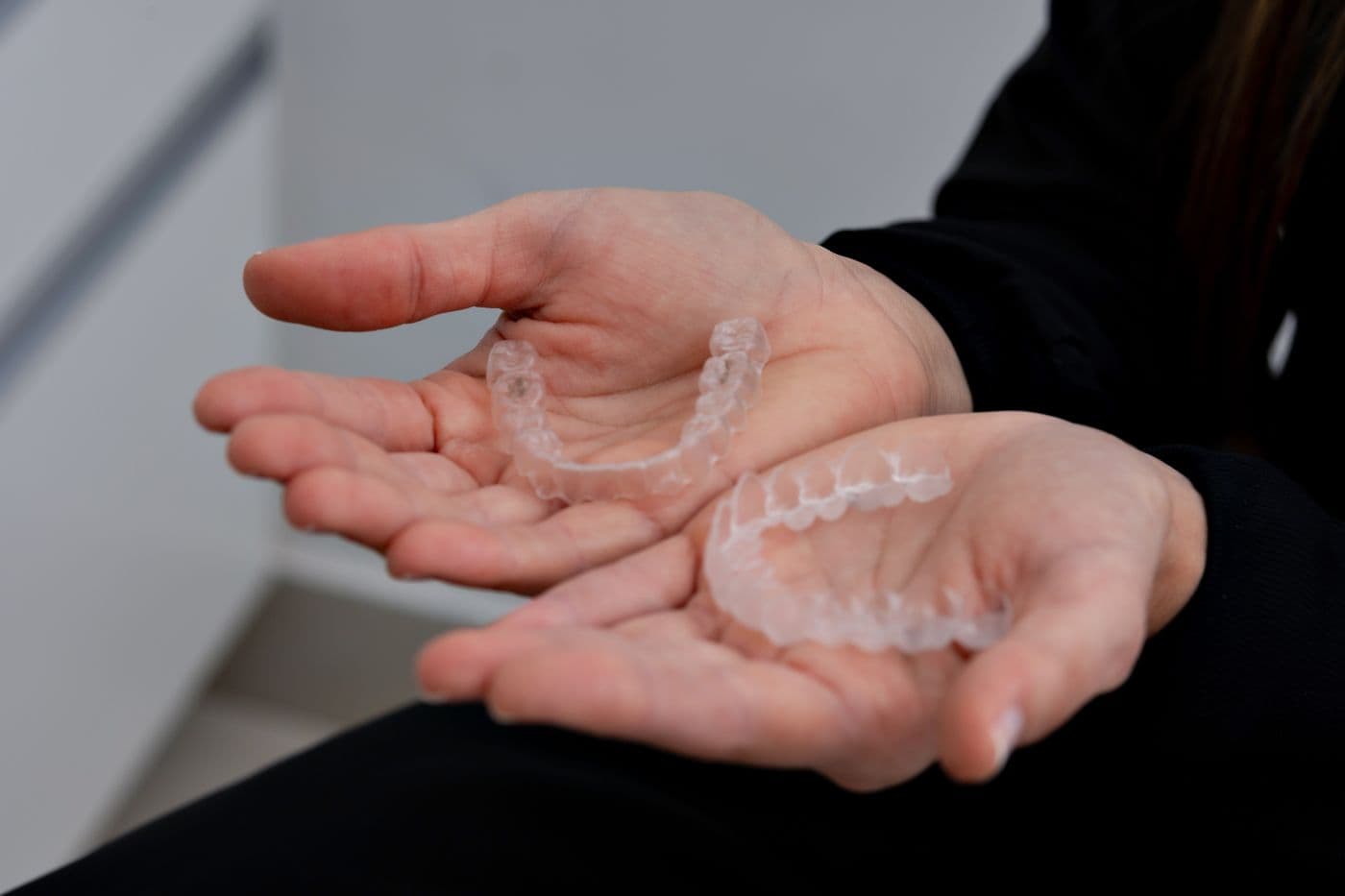
- Custom trays — they hold gel against teeth and away from gums
- Supervision — a dentist screens for cavities and cracks first
Drugstore strips can help mild surface stain, but they apply gel unevenly and often miss the edges, leaving a halo effect.
Myth 4: Whitening damages your teeth
Used correctly, professional whitening does not damage enamel. The peroxide opens microscopic channels in the tooth to release stain, and your saliva remineralizes them within hours. Temporary sensitivity is common but fades. What does cause harm is over-using high-strength gel without guidance, or whitening over an undiagnosed cavity.
Myth 5: Results are permanent
No whitening is forever. Teeth gradually pick up stain again from food, drink, and age. Most patients enjoy bright results for one to three years, with an occasional top-up. Think of it less like a one-time fix and more like maintenance — easy to keep up once you've reached the shade you love.
So what actually works?
For most people, the brightest, safest results come from a professionally supervised whitening plan: a quick screening, custom trays moulded to your teeth, and a gel strength matched to your sensitivity. In-office whitening can lift several shades in a single visit; take-home kits work more gently over a couple of weeks.
If your teeth are already healthy and you simply want a confident lift before a wedding or a big presentation, whitening is one of the most rewarding cosmetic treatments there is. The key is doing it with your enamel, not against it.
Curious whether your smile is a good candidate? A short consultation is the best place to start — we'll check that everything underneath is healthy before we brighten the surface.